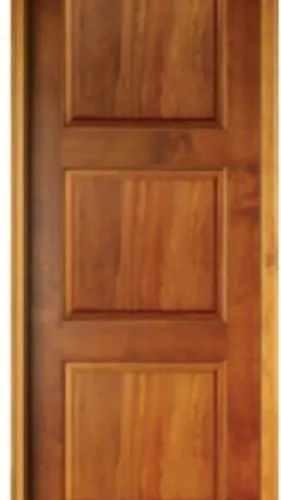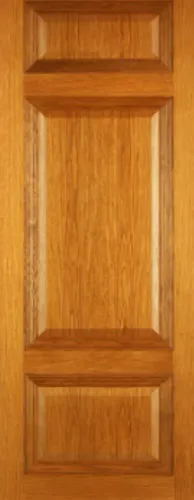


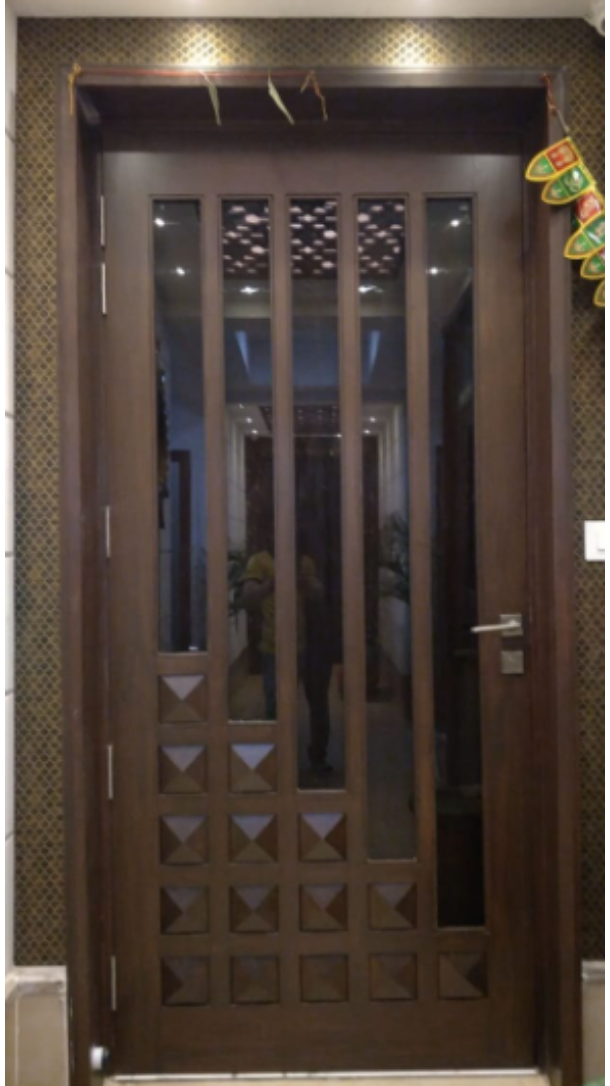
Wooden doors do much more than separate one room from another. They influence the appearance of a property, contribute to privacy, improve insulation, and play an important role in the overall durability of a building. Whether you are designing a new home, renovating an office, or working on a commercial project, selecting the right wooden door can make a noticeable difference in both functionality and aesthetics.
In a growing market like New Delhi, where residential developments, commercial spaces, and interior design projects continue to expand, property owners and professionals often look for wooden doors that offer a balance of quality, design, and long-term performance. Understanding the different options available can help you make a more informed decision before investing.
Why Wooden Doors Continue to Be a Popular Choice
Despite the availability of many alternative materials, wooden doors remain one of the most preferred choices because they offer several practical benefits.
Some of the key advantages include:
- Strong and reliable construction
- Timeless visual appeal
- Excellent sound insulation
- Good thermal performance
- Easy maintenance and repair
- Wide variety of finishes and designs
- Suitable for both traditional and modern interiors
With proper maintenance, a quality wooden door can remain durable for many years while maintaining its appearance.
Different Types of Wooden Doors
Not every project requires the same type of door. Understanding the purpose of each option helps ensure better performance and longer service life.
Solid Wooden Doors
Solid wooden doors are known for their strength and premium appearance. They are commonly used for main entrances, executive offices, luxury residences, and spaces where durability is a priority.
Engineered Wooden Doors
Engineered wooden doors combine natural wood with modern manufacturing techniques, resulting in improved dimensional stability and resistance to warping.
These are widely preferred for apartments, offices, hotels, and commercial buildings.
Decorative Wooden Doors
Decorative wooden doors combine functionality with design. Various patterns, textures, grooves, and premium finishes allow homeowners and architects to match the door with the overall interior theme.
Factors to Consider Before Buying Wooden Doors
Choosing the right door involves much more than selecting an attractive design.
Consider the following points before making a purchase:
Purpose of Installation
Different locations require different specifications.
For example:
- Main entrance doors require higher security.
- Bedroom doors focus on privacy.
- Office doors often require a professional appearance.
- Commercial doors should withstand heavy daily usage.
Material Quality
The quality of timber directly affects the lifespan of a door.
Look for:
- Proper seasoning
- Moisture resistance
- Crack-free wood
- Precision manufacturing
- Uniform finishing
High-quality raw materials generally deliver better long-term performance.
Thickness and Strength
Door thickness contributes to durability, insulation, and structural stability.
A thicker, well-constructed door usually offers better resistance to wear and provides improved sound reduction.
Finish
The finish not only enhances appearance but also protects the wood from environmental damage.
Popular finishes include:
- Natural wood polish
- PU coating
- Laminate finish
- Veneer finish
- Paint-ready surfaces
The choice depends on the overall design theme and maintenance expectations.
Matching Wooden Doors with Interior Design
Today's interiors often follow a consistent visual theme throughout the property. Choosing doors that complement flooring, wall finishes, modular furniture, and decorative elements creates a more cohesive look.
For example:
- Light wood shades suit minimalist interiors.
- Dark finishes complement luxury interiors.
- Natural grain patterns work well in contemporary homes.
- Matte finishes create a sophisticated appearance for office environments.
Interior designers frequently coordinate door finishes with wardrobes, modular kitchens, and furniture to achieve a balanced design.
Common Mistakes Buyers Should Avoid
Many buyers focus only on appearance while overlooking technical factors.
Some common mistakes include:
- Choosing doors based only on price
- Ignoring moisture resistance
- Selecting incorrect door thickness
- Not checking hardware compatibility
- Overlooking maintenance requirements
- Purchasing without verifying manufacturing quality
Avoiding these mistakes helps reduce future repair and replacement costs.
Why Manufacturing Quality Matters
Even an attractive door may not perform well if manufacturing standards are inconsistent.
Reliable manufacturers pay close attention to:
- Precision cutting
- Uniform dimensions
- Smooth finishing
- Strong joints
- Quality control
- Material consistency
These factors directly influence installation quality and long-term durability.
Many architects, builders, and furniture manufacturers in Delhi prefer working with experienced manufacturers capable of maintaining consistent product standards across projects of different scales.
Finding a Reliable Wooden Door Manufacturer
When evaluating suppliers, consider more than just product variety.
Look for manufacturers that offer:
- Consistent manufacturing quality
- Multiple design options
- Reliable material sourcing
- Custom sizing when required
- Professional technical support
- Timely order fulfillment
For projects involving homes, commercial developments, or institutional buildings, dependable supply can be just as important as product quality.
Companies such as Madhav Tradelink have built their presence by offering a wide range of timber and engineered wood solutions suited to modern construction and interior applications. Buyers researching products through the company's website, vigaz.in, can also explore different finishes and specifications before shortlisting materials for their projects.
Choosing the right wooden doors is ultimately an investment in durability, functionality, and design. By understanding materials, construction quality, finishes, and application requirements, homeowners, architects, contractors, and interior designers can select doors that enhance both the appearance and long-term value of their spaces.