

Natural wood has always been admired for its warmth, elegance, and timeless appeal. However, achieving that premium look does not always require using solid timber throughout a project. Veneered doors offer the beauty of real wood while providing excellent stability, versatility, and value, making them a preferred choice for modern homes and commercial interiors.
In New Delhi, where contemporary architecture blends with classic design preferences, veneered doors are increasingly used in luxury residences, corporate offices, hotels, and premium retail spaces. Understanding how these doors are made and where they perform best can help homeowners, architects, and builders make confident purchasing decisions.
What Are Veneered Doors?
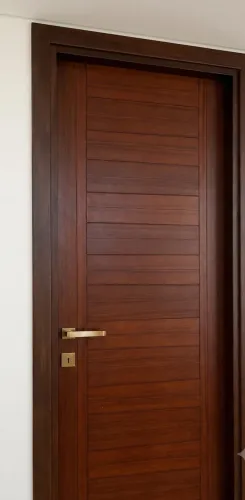
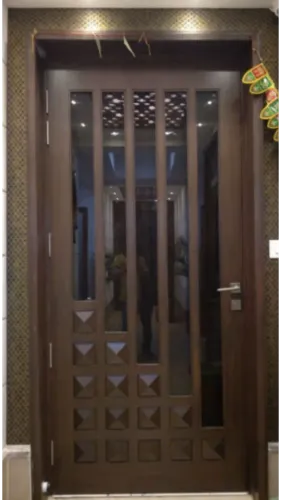
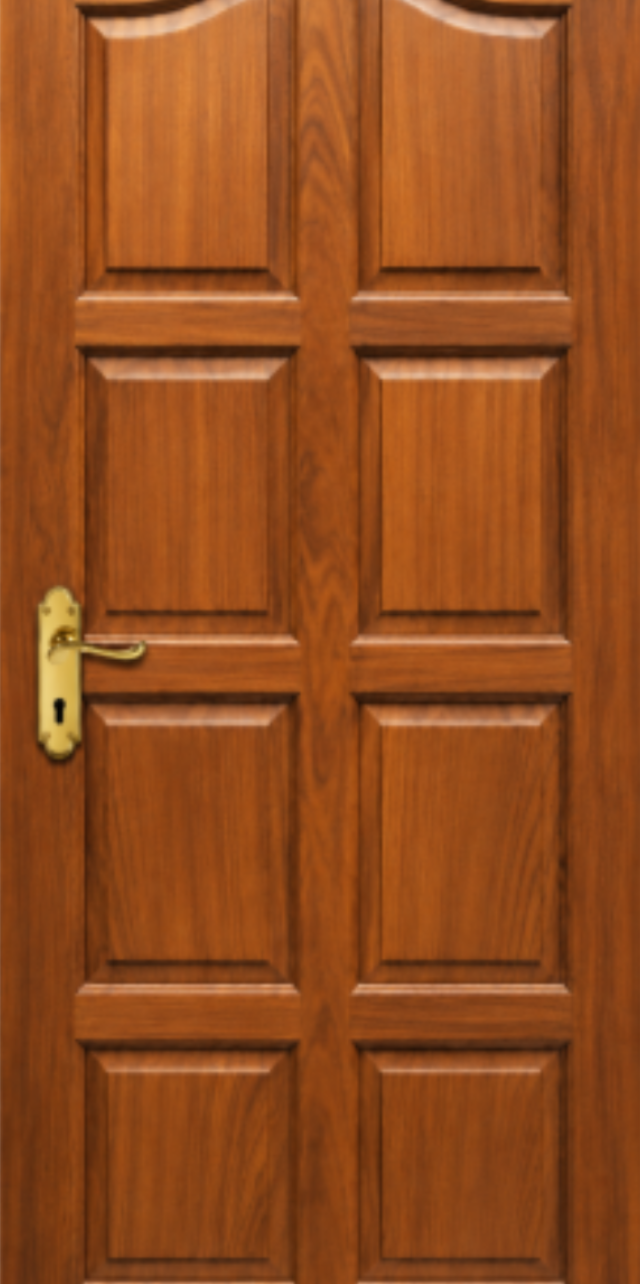
A veneered door consists of a durable engineered or solid core covered with a thin layer of natural wood veneer. Since the outer surface is genuine wood, each door displays unique grain patterns, textures, and color variations that cannot be replicated by synthetic finishes.
The result is a sophisticated appearance that combines the charm of natural timber with the structural advantages of modern manufacturing techniques.
Why Veneered Doors Are a Preferred Choice
Veneered doors offer several advantages that make them suitable for both residential and commercial applications.
Some of the key benefits include:
- Authentic natural wood appearance
- Elegant grain patterns unique to every door
- Better dimensional stability than many traditional solid wood options
- Suitable for premium interiors
- Available in various wood species and finishes
- Easier to maintain than untreated timber surfaces
- Compatible with modern architectural designs
These features make veneered doors a practical investment for projects that demand both aesthetics and long-term performance.
Applications of Veneered Doors
Because of their refined appearance, veneered doors are commonly installed in spaces where design plays an important role.
Popular applications include:
Luxury Homes
Veneered doors enhance bedrooms, living rooms, dining areas, and home offices by creating a warm and elegant atmosphere that complements premium furniture and décor.
Corporate Offices
Executive cabins, conference rooms, boardrooms, and reception areas often use veneered doors to project a professional and sophisticated image.
Hotels and Hospitality Spaces
Hotels, resorts, and serviced apartments benefit from the luxurious appearance of natural wood while maintaining consistent quality across multiple rooms.
Premium Commercial Projects
Showrooms, boutique stores, and designer offices frequently select veneered doors to elevate their interior design and create a welcoming environment for visitors.
Types of Natural Veneer Finishes
Natural veneers are available in a wide range of wood species, allowing designers to achieve different visual styles.
Some commonly preferred finishes include:
- Oak veneer
- Walnut veneer
- Ash veneer
- Teak veneer
- Maple veneer
- Exotic decorative veneers
Each veneer has its own grain pattern, texture, and color tone, making every finished door distinctive.
Factors to Consider Before Buying Veneered Doors
Choosing the right veneered door involves evaluating more than just appearance.
Quality of the Veneer
A premium-quality veneer provides better consistency, richer grain definition, and improved durability over time.
Core Construction
The internal core determines the strength and stability of the door. High-quality engineered cores help minimize expansion and contraction caused by seasonal changes.
Protective Finish
Wood veneers should be protected with suitable coatings that resist moisture, stains, and surface wear while preserving the natural beauty of the timber.
Installation Environment
The intended location also influences material selection. Interior doors generally have different performance requirements than doors exposed to changing environmental conditions.
Design Compatibility
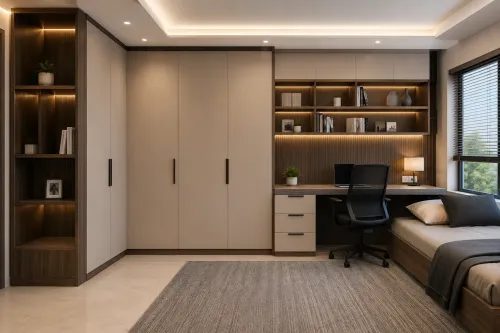
Consider how the veneer finish will coordinate with flooring, wardrobes, wall panels, furniture, and decorative elements to create a cohesive interior.
Common Buying Mistakes
Many buyers focus only on the external appearance and overlook important technical considerations.
Some mistakes to avoid include:
- Selecting veneer without checking its protective finish
- Ignoring the quality of the internal core
- Choosing unsuitable wood tones for the overall interior
- Purchasing based only on price
- Overlooking manufacturing precision
- Failing to verify long-term durability
Careful evaluation helps ensure the finished doors remain attractive and functional for years.
Why Manufacturing Standards Matter
The appearance of a veneered door depends greatly on the craftsmanship involved in its production.
Reliable manufacturers pay attention to:
- Accurate veneer matching
- Precision cutting
- Strong bonding techniques
- Smooth edge finishing
- Consistent polishing
- Strict quality inspections
These details contribute to a premium finish while reducing the risk of defects such as bubbling, peeling, or uneven surfaces.
Choosing the Right Supplier
Whether you are working on a single residence or a large commercial development, selecting an experienced manufacturer is just as important as selecting the product itself.
Professionals often evaluate suppliers based on:
- Product consistency
- Customization capabilities
- Manufacturing expertise
- Material sourcing standards
- Delivery reliability
- Technical guidance
For architects, builders, and interior designers across Delhi, dependable manufacturers simplify project execution by offering consistent quality across multiple product categories. Companies like Madhav Tradelink provide natural veneer solutions along with a broad range of engineered wood products designed for modern residential and commercial applications. Their website, vigaz.in, serves as a useful resource for exploring available finishes and specifications before finalizing project materials.
Veneered doors remain an excellent choice for anyone seeking the elegance of natural wood without compromising on structural performance. With the right materials, skilled manufacturing, and thoughtful design selection, they can add lasting beauty and value to almost any interior space.