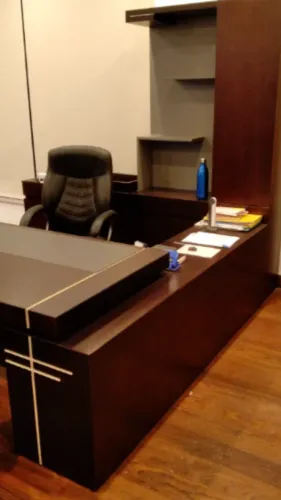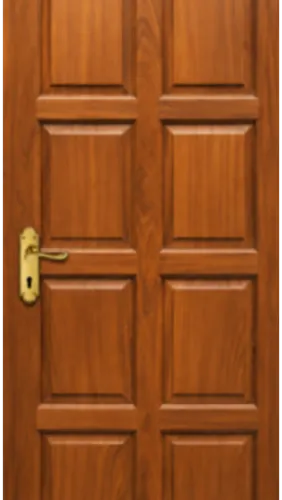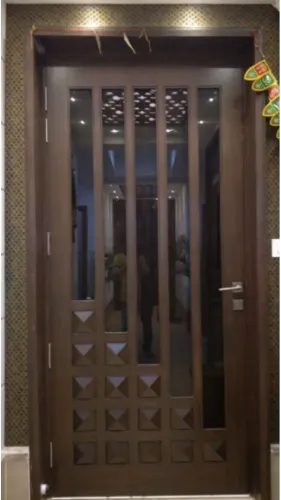


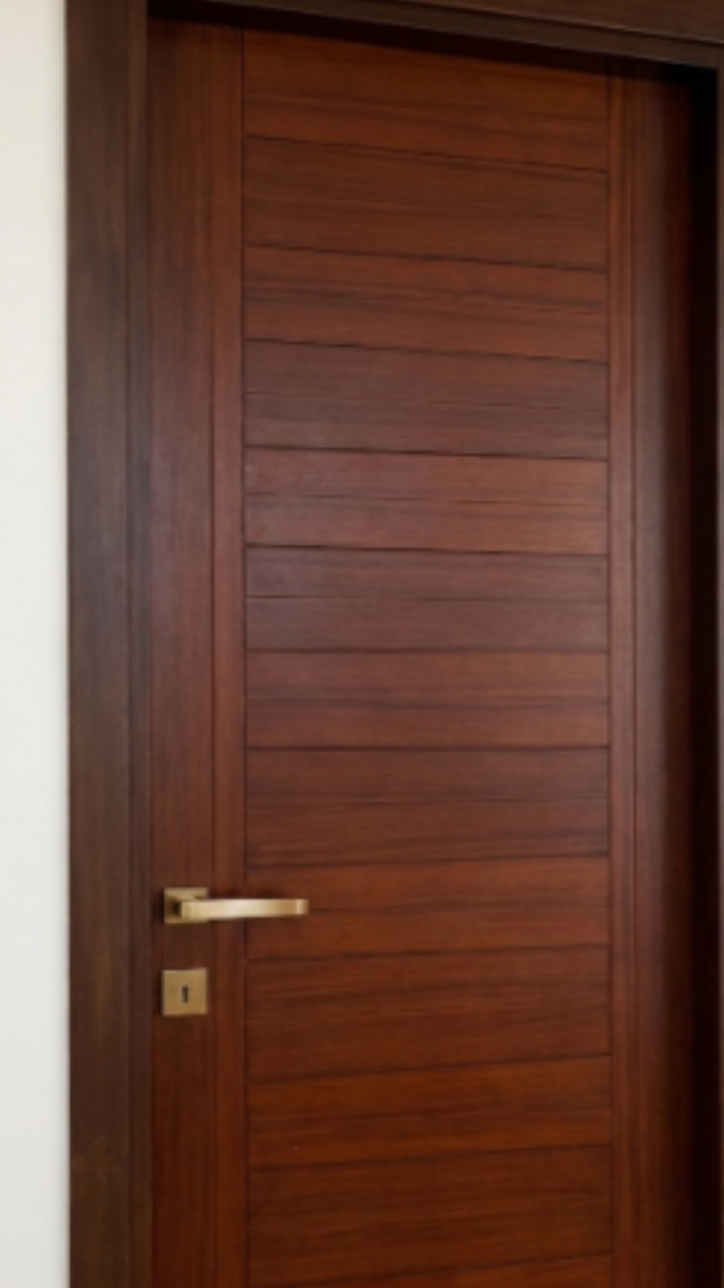
Homeowners looking for practical, contemporary door finishes often consider Laminated Doors because they offer considerable design flexibility. Wood-inspired grains, solid colours, understated textures, and modern patterns can be used to coordinate doors with furniture and other interior elements.
The important question is not simply whether laminated doors look good. It is whether their construction, finish, and maintenance characteristics suit the intended room.
Laminated Doors Suit Design-Led Interiors
Laminate provides a manufactured decorative surface with relatively predictable colour and pattern.
This makes it particularly useful where consistency is important. Several bedroom doors, for example, can follow the same finish family, while wardrobe shutters or other furniture can use complementary materials.
For contemporary homes in New Delhi, this can help create a clean, coordinated interior.
They Can Be Practical for Everyday Maintenance
Interior doors are frequently touched around handles and edges. Families with children or busy households may therefore prefer surfaces that are straightforward to maintain.
Appropriate laminate surfaces can generally be cleaned without the finishing routines associated with some natural wood surfaces.
Maintenance instructions should still be followed, and excessive water should not be allowed to penetrate vulnerable edges or joints.
The Core Construction Still Matters
A laminate is primarily the visible surface. It should not be used as the only basis for judging door quality.
Ask about the construction beneath it.
The substrate, thickness, internal structure, edge finishing, adhesives, and fabrication quality influence the finished shutter's performance.
This distinction is particularly important when comparing quotations that appear similar based on photographs.
Look Carefully at Edge Finishing
Edges are a critical part of laminated furniture and doors.
A neatly finished edge contributes to appearance and helps protect the underlying construction. Corners should also be finished appropriately for repeated handling.
Inspecting an actual sample can reveal more than viewing digital images.
Choose Designs That Will Age Well
Strong patterns can be attractive initially, but doors usually remain in place through several changes in furniture, paint, and décor.
For this reason, many homeowners prefer relatively versatile door finishes.
Wood-inspired laminates, muted neutrals, and restrained textures can be easier to coordinate over time.
More expressive patterns can still work well when they are intentionally used as a feature.
Consider the Entire Home
Door selection should be made in the context of flooring, walls, wardrobes, and kitchens.
For example, using identical wood patterns on every surface may produce too much repetition. A better approach might combine a wood-inspired door with neutral wardrobes, or vice versa.
Design coordination is about balance rather than exact matching.
Know When Another Material May Be More Appropriate
Laminated doors are not automatically the correct choice for every opening.
A premium entrance where genuine timber character is desired may lead a homeowner toward teak or another natural wood solution. A design requiring real wood grain may be better served by veneer.
Areas with unusual environmental exposure also require material-specific evaluation.
This is why provider selection should begin with the application rather than a predetermined finish.
What to Ask Before Ordering
Before approving Laminated Doors, confirm:
- Door construction
- Shutter dimensions and thickness
- Laminate selection
- Edge treatment
- Frame requirements
- Hardware
- Installation details
- Suitability for the room
Madhav Tradelink works with doors and interior furnishing solutions in New Delhi and can be considered by homeowners, designers, builders, and contractors evaluating coordinated door and furniture requirements.
Laminated doors are particularly suitable when the priority is a controlled decorative finish, broad design choice, and practical interior coordination. Their success, however, depends on what lies beneath the surface as much as the surface itself. Reviewing the complete specification before ordering is the clearest indicator that the selected door will meet both design and functional expectations.