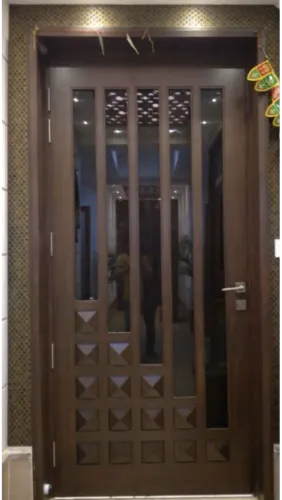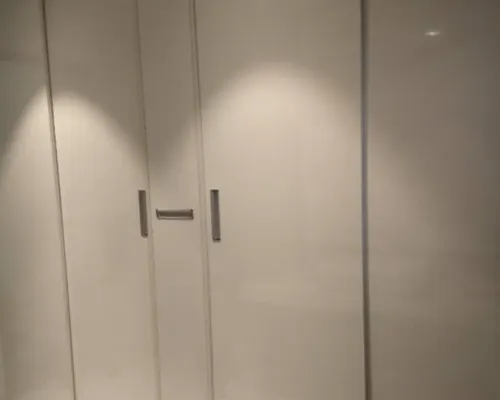


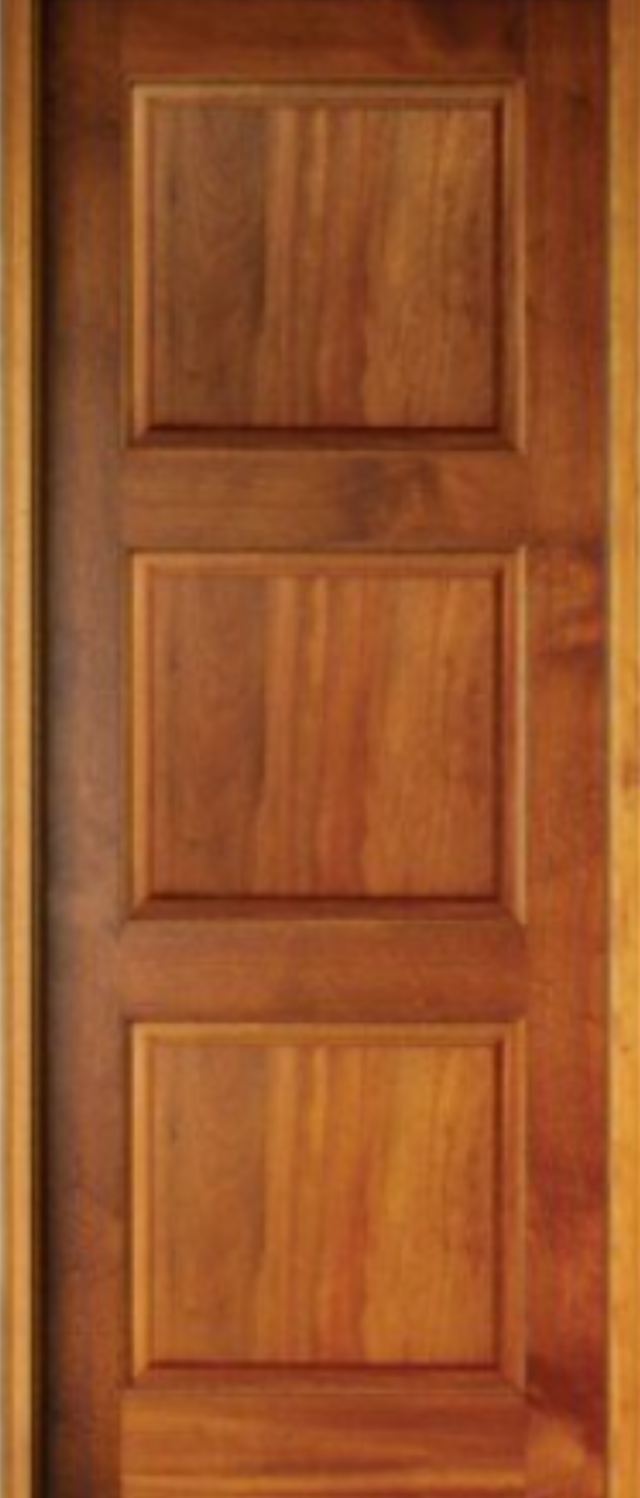
Doors occupy a surprisingly large amount of visible wall space. Their design can therefore influence whether an interior feels traditional, contemporary, formal, or minimal. Panel Doors provide one approach, while plain or flush-style shutters create a distinctly different visual effect.
For homeowners and interior designers in New Delhi, choosing between these styles should depend on the room, architecture, maintenance preferences, and desired finish rather than trends alone.
What Makes a Panel Door Different?
Panel doors are designed with visible sections or framed divisions that create depth on the shutter.
Depending on the construction and style, the panels may be simple rectangular forms, traditional profiles, geometric arrangements, or contemporary linear compositions.
Plain doors, in contrast, emphasize a relatively uninterrupted surface.
This fundamental difference changes how each option interacts with the surrounding interior.
When Panel Doors Work Well
Panel designs can add architectural detail without requiring additional wall decoration.
They can suit:
- Main entrances
- Formal living areas
- Traditional interiors
- Premium bedrooms
- Offices with classic detailing
- Transitional interior styles
The amount of detailing can be adjusted. A panel door does not necessarily need elaborate carving.
Simple, shallow panel profiles can work in modern homes where some depth is desired without creating a heavily traditional appearance.
When Plain Doors May Be Better
Minimal interiors often benefit from cleaner door surfaces.
Plain shutters can visually recede into a wall, particularly when their colour closely matches the surrounding finish. They are also suitable where the designer wants other features—such as furniture, artwork, stone, or lighting—to remain visually dominant.
A plain door can also work well with laminate or veneer where the surface material itself provides sufficient visual interest.
Consider Cleaning and Maintenance
Detailed profiles create additional edges where dust can settle.
In Delhi, where dust management is a regular household consideration, this practical factor should not be ignored. Highly detailed panel doors may require more cleaning than smooth shutters.
If low maintenance is important, simpler panel profiles can offer a useful compromise.
Think About the Door Finish
The same panel pattern can look dramatically different depending on the finish.
A natural wood finish highlights grain and creates warmth. A painted finish emphasizes the geometry of the panels. Veneer can provide real-wood character across contemporary door constructions, while suitable decorative surfaces can introduce additional design possibilities.
Rather than choosing the profile independently, evaluate profile and finish together.
Match the Door With the Room
Using one door design throughout an entire property is not always necessary.
A main entrance may require stronger visual identity, while bedroom doors can be quieter. Office cabins may need a professional appearance that coordinates with workstations and wall finishes.
For architects and builders handling projects across New Delhi and the wider Delhi region, establishing a door hierarchy can create a more coherent result.
The main door can function as a feature, while secondary doors remain visually restrained.
Compare More Than Appearance
When evaluating Panel Doors, look beyond the design photograph.
Ask about:
- Core or construction material
- Shutter thickness
- Finish
- Edge treatment
- Frame compatibility
- Hardware requirements
- Maintenance
- Suitability for the intended location
These factors affect performance after installation.
Madhav Tradelink works with wooden doors, modular furniture, and interior furnishing requirements in New Delhi. Coordinating doors with wardrobes, kitchen finishes, office furniture, or wall treatments can help avoid unrelated materials competing within the same interior.
Panel and plain doors can both work successfully. Panel doors provide depth and architectural character, while plain doors support a cleaner visual language. The more suitable option is the one that responds to the room's architecture, maintenance needs, materials, and overall design direction rather than simply following whichever style is currently popular.