

A modular kitchen is no longer considered a luxury reserved for premium homes. It has become a practical solution for homeowners who want an organized, efficient, and visually appealing cooking space. With modern lifestyles demanding better space utilization and smarter storage, modular kitchens offer flexibility that traditional kitchens often cannot match.
In cities like New Delhi, where apartments, independent homes, and commercial spaces vary greatly in size, a well-planned modular kitchen helps maximize every available inch without compromising on comfort or aesthetics. Whether you are building a new home or renovating an existing one, understanding what makes a modular kitchen successful can help you make better design decisions.
What Makes a Modular Kitchen Different?
Unlike conventional kitchens that are built on-site, a modular kitchen consists of factory-manufactured cabinets, drawers, shutters, and storage units that are assembled according to the available space. Every module is designed to perform a specific function while contributing to an organized layout.
This approach not only improves installation quality but also allows greater flexibility in design, maintenance, and future upgrades.
Start with the Right Kitchen Layout
One of the most important decisions is selecting a layout that suits your available space and cooking habits.
Some of the most common layouts include:
Straight Kitchen
Ideal for compact apartments and studio homes, this layout keeps all work areas aligned along a single wall.
L-Shaped Kitchen
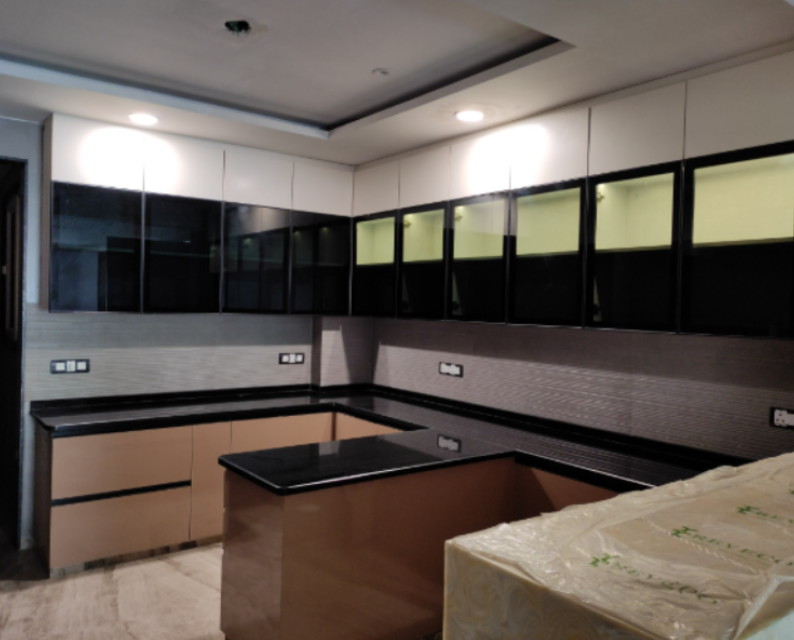
One of the most popular designs, an L-shaped kitchen provides efficient movement between cooking, washing, and preparation areas while leaving enough open space.
U-Shaped Kitchen
Perfect for larger homes, this layout offers abundant storage and countertop space, making it suitable for families who cook frequently.
Parallel Kitchen
A practical choice for homes where efficiency is a priority, parallel kitchens create separate work zones while maintaining smooth movement.
Island Kitchen
Larger residences often incorporate an island that serves as a preparation area, breakfast counter, or additional storage while becoming the focal point of the kitchen.
Prioritize Storage Before Appearance
Beautiful finishes certainly enhance a kitchen, but functionality should always come first.
Modern modular kitchens should include:
- Deep drawers for cookware
- Pull-out pantry units
- Corner storage solutions
- Cutlery organizers
- Tall utility cabinets
- Under-sink storage
- Soft-close drawers and shutters
Well-designed storage reduces clutter and makes daily cooking far more convenient.
Choosing the Right Materials
The quality of materials directly influences the lifespan of a modular kitchen.
Consider factors such as:
- Moisture resistance
- Surface durability
- Easy maintenance
- Load-bearing strength
- Scratch resistance
- Smooth finishing
Cabinets manufactured using quality engineered wood products generally provide better long-term stability compared to lower-grade materials.
Select Finishes That Match Your Lifestyle
The finish you choose affects both appearance and maintenance requirements.
Popular options include:
- Matte laminates
- High-gloss laminates
- Natural veneer finishes
- Acrylic finishes
- Textured decorative surfaces
Families with children often prefer finishes that resist fingerprints and scratches, while premium homes may opt for elegant veneer or high-gloss combinations.
Plan Your Work Triangle Carefully
A functional kitchen follows the principle of the work triangle, which connects the refrigerator, sink, and cooking area.
Maintaining comfortable distances between these three points helps reduce unnecessary movement and improves efficiency during meal preparation.
Even in smaller kitchens, thoughtful planning can significantly improve workflow.
Lighting Plays a Bigger Role Than Most People Realize
Lighting affects both functionality and visual appeal.
A well-designed modular kitchen usually includes:
- Ceiling lighting for overall illumination
- Under-cabinet lighting for food preparation
- Decorative lighting for display units
- Natural lighting wherever possible
Proper lighting makes cooking safer while enhancing the overall atmosphere of the space.
Common Mistakes to Avoid
Many homeowners focus primarily on appearance and overlook practical considerations.
Some common planning mistakes include:
- Choosing insufficient storage
- Ignoring ventilation requirements
- Selecting unsuitable countertop materials
- Installing too many open shelves
- Overlooking electrical planning
- Compromising on cabinet quality
- Not planning appliance placement in advance
Avoiding these mistakes can prevent expensive modifications later.
Why Quality Manufacturing Matters
A modular kitchen is expected to withstand years of daily use. The quality of manufacturing directly affects cabinet alignment, drawer movement, hardware performance, and overall durability.
Reliable manufacturers maintain consistent standards in:
- Precision cutting
- Edge finishing
- Material selection
- Surface treatment
- Hardware compatibility
- Quality inspection
These details contribute to smoother installation and better long-term performance.
Choosing the Right Kitchen Partner
When evaluating manufacturers or suppliers, look beyond catalog designs. Experience, material quality, customization options, and manufacturing consistency are equally important.
Architects, builders, and interior designers working on residential and commercial projects across Delhi often prefer manufacturers capable of delivering dependable wood solutions for kitchens and furniture. Madhav Tradelink offers a range of engineered wood products and decorative materials suitable for modular kitchen applications. By exploring vigaz.in, professionals and homeowners can review available options before selecting materials that align with their design goals.
A thoughtfully planned modular kitchen is more than an attractive feature—it becomes one of the most functional spaces in any property. By balancing layout, storage, quality materials, and smart design, homeowners can create a kitchen that remains practical, comfortable, and visually appealing for many years.